twitter


This is a great video explaining the respiratory system. Try to watch it at the same time you're reading paages 31 and 32 from the book. Then answer here or in your notebook the next questions:

1) Which organs are involved on breathing?

2) What's the sequence that the air follows from the nose to the lungs? (you can draw it)

3) What's the difference between bronhi and bronchioles?

 Please, have a look to this video to reinforce the Digestive System content you learnt at school.

Digestion


 Try to do these "online" activities at home to know when to use present perfect and when to use past simple:

https://es.liveworksheets.com/jm484913uc


https://es.liveworksheets.com/lu38453bo


Remember:
  1. We use the past simple for past events or actions which have no connection to the present.
  1. We use the present perfect for actions which started in the past and are still happening now OR for finished actions which have a connection to the present.
  1. We CAN'T use the present perfect with a finished time word:
  • NOT: I've been to the museum yesterday
ENJOY YOUR LONG WEEKEND!

Here is the video  that we have watched in class about the digestive system to help you study at home.

Remember to complete the concept map of this lesson as well as complete it with a drawing of the digestive system in your notebook with all the parts that are involved.

Have a nice "long" weekend!


 Espero que os gusten...


                                                                                                 TUTORAS DE 5 AÑOS

 ¡HOLA AMIGOS/AS!

Os dejamos varias actividades para el puente. La primera es la flor de la letra A. Ya sabéis cómo hacerla. Se recortan y pegan los dibujos que empiezan por /a/ en los pétalos de la flor.


Por otro lado, vais a dibujar  en papel de periódico o cartulina cuatro figuras geométricas : cuadradro, círculo, triángulo y rectángulo. Vais a recortarlo y formar con ellas otras figuras como  una casa, un árbol... ¡lo que se os ocurra! A continuación os dejamos un ejemplo:


¡Esperamos que disfrutéis del puente y que lo paséis de maravilla!

Las profes de 4 años.

 ¡Hola amigos/as!

Esta vez tenéis que resolver este cuadro dibujando y coloreando según corresponda.


¡Feliz puente!
Las profes de 5 años.


 ¡Hola a todos/as!

Aunque los alumnos llevan hoy impreso el vocabulario del tema 3 de inglés junto con una fichita para el puente, pongo de igual modo el vocabulario por aquí, por si queréis tenerlo a color, en digital o para aquellos niños y niñas que no hayan podido acudir hoy al colegio.


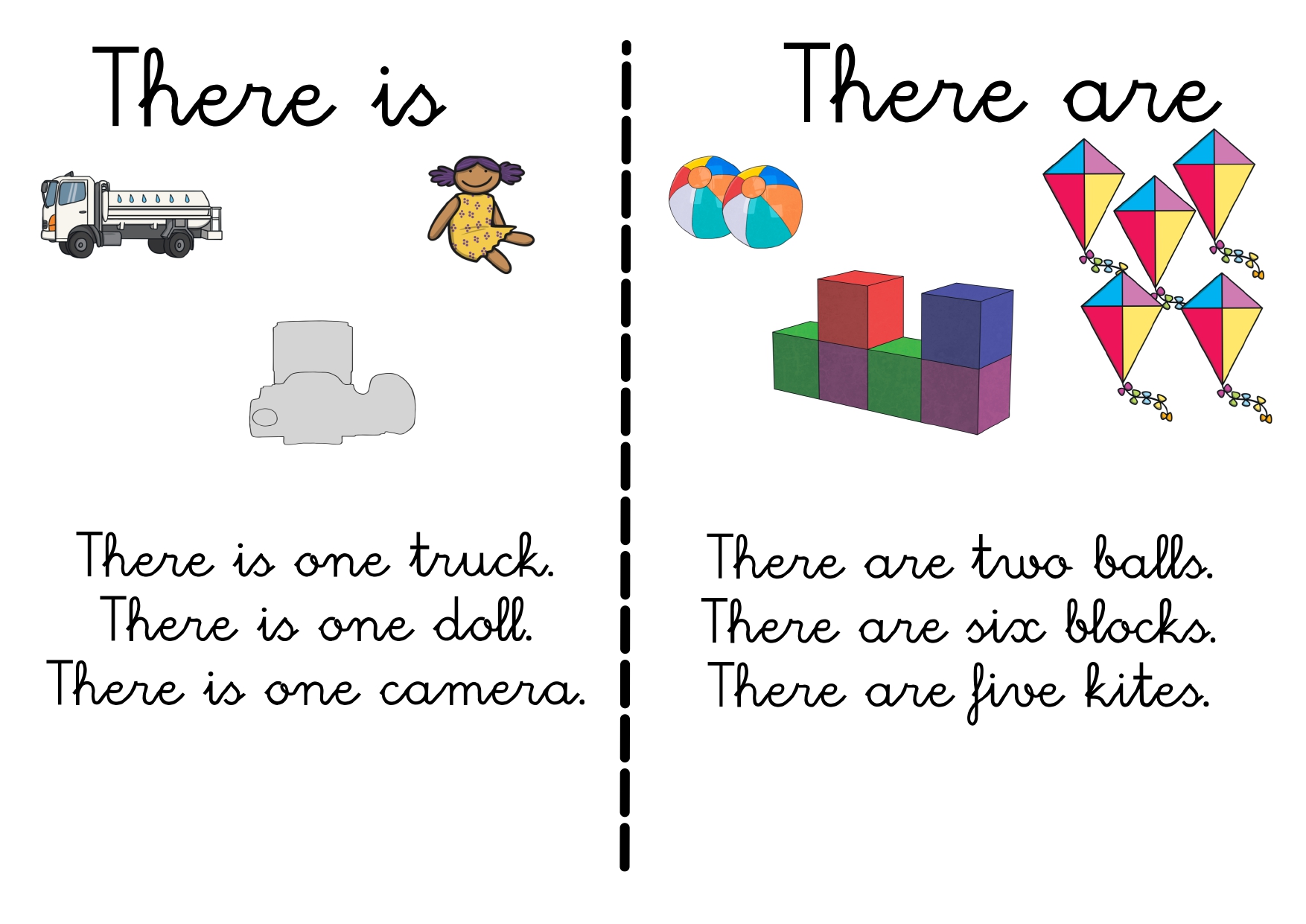
En este tema estamos trabajando con los juguetes, pero a parte de vocabulario estamos aprendiendo a decir "Yo tengo..." ("I have got...") de forma oral,  contestar a la pregunta "How old are you?" (¿Cuántos años tienes?) diciendo "I'm 6 years old" (Tengo 6 años) y el uso de There is/There are para decir "Hay tres muñecas" (There are three dolls).


There is/There are

Utilizamos There is/There are para decir las cosas que hay. "There is" cuando solo es una, "there are" cuando son más de una:


EXPLICACIÓN FICHA DE DEBERES:
Aunque lo he explicado en clase, por si acaso os lo comento también por aquí. En la ficha hay dibujos de juguetes y debajo unas frases así:

There is/ There are ___________dolls (muñecas).

Tienen que contar las muñecas que hay, escribirlo en el hueco y después rodear "there is" si solo hay una o "there are" si hay más de una. Quedaría así:

There is/ There are four dolls.